
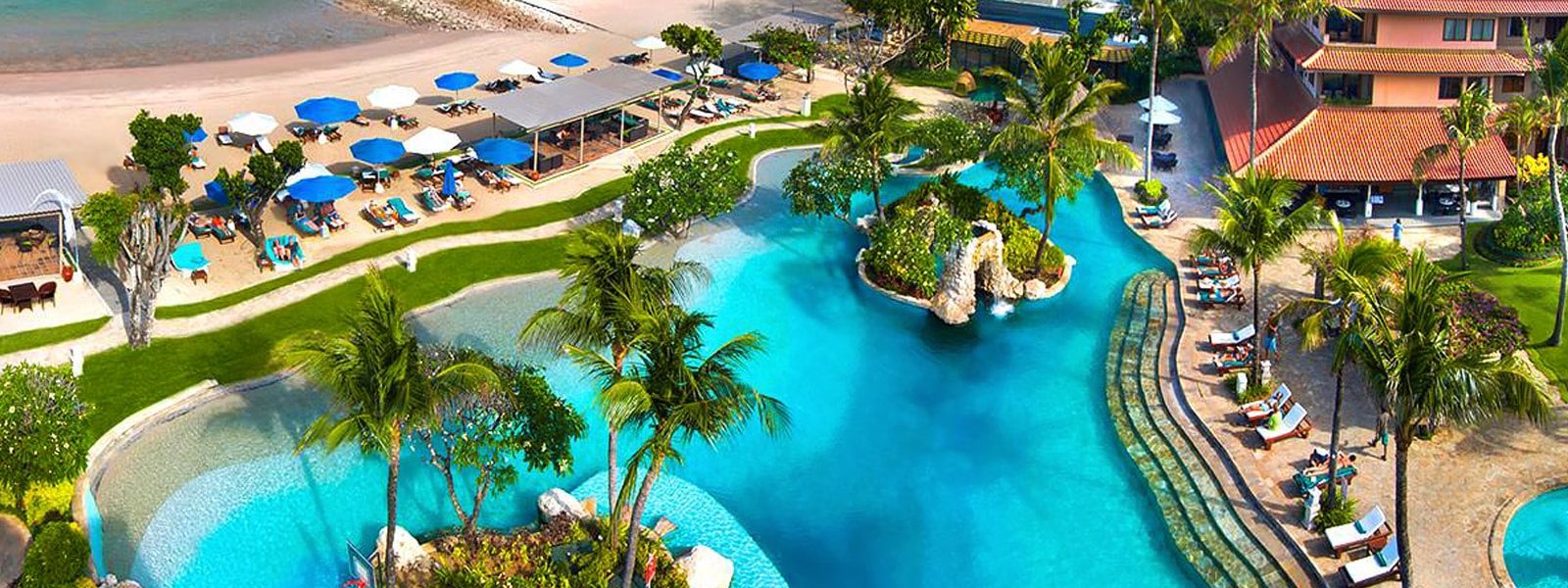
When most people think of Bali, they picture Ubud’s rice terraces, cliffside temples like Uluwatu, or the chaos of Kuta’s nightlife. But let me tell you—there’s another side of the island that often gets overlooked, and it’s one of my favorite places to slow down, recharge, and actually feel like I’m on vacation. I’m talking about Nusa Dua, Bali’s crown jewel for relaxation, luxury, and those postcard-perfect beaches that look like they were airbrushed.
Now, before you roll your eyes and say, “Isn’t Nusa Dua just fancy resorts and gated communities?” — yes, it’s true. Nusa Dua has a reputation for being the more polished, manicured part of Bali. But that doesn’t mean it’s boring or soulless. In fact, the more time I spend there, the more I realize it’s the perfect balance: modern comforts with touches of authentic Balinese charm.
If you’ve ever dreamed of turquoise water, soft sand, spa days, water sports, and safe streets where you can actually take a walk without dodging motorbikes—this is the spot. Let me take you on a personal tour of everything I’ve learned about Nusa Dua Bali: what to do, what not to miss, and why you might just fall in love with it like I did.
Where Exactly is Nusa Dua?
Nusa Dua sits on the southeastern tip of Bali’s Bukit Peninsula, about a 30-40 minute drive from Ngurah Rai International Airport (depending on traffic, which in Bali can mean anything).
Unlike Ubud, which is tucked in the highlands, or Seminyak, which thrives on nightlife, Nusa Dua feels like its own little world. It’s basically a gated tourism complex developed in the 1970s and ’80s by the Indonesian government to attract luxury travelers. Within its secured grounds, you’ll find some of the island’s most prestigious resorts, sprawling gardens, golf courses, and pristine beaches.
Sounds a bit sterile? Don’t worry—step outside the gates, and you’ll still find local markets, warungs (family-run eateries), and pockets of daily Balinese life. That’s what makes Nusa Dua interesting: you can have your five-star breakfast buffet in the morning and still go bargain hunting at a roadside stall in the afternoon.
Nusa Dua Location:
The Beaches of Nusa Dua
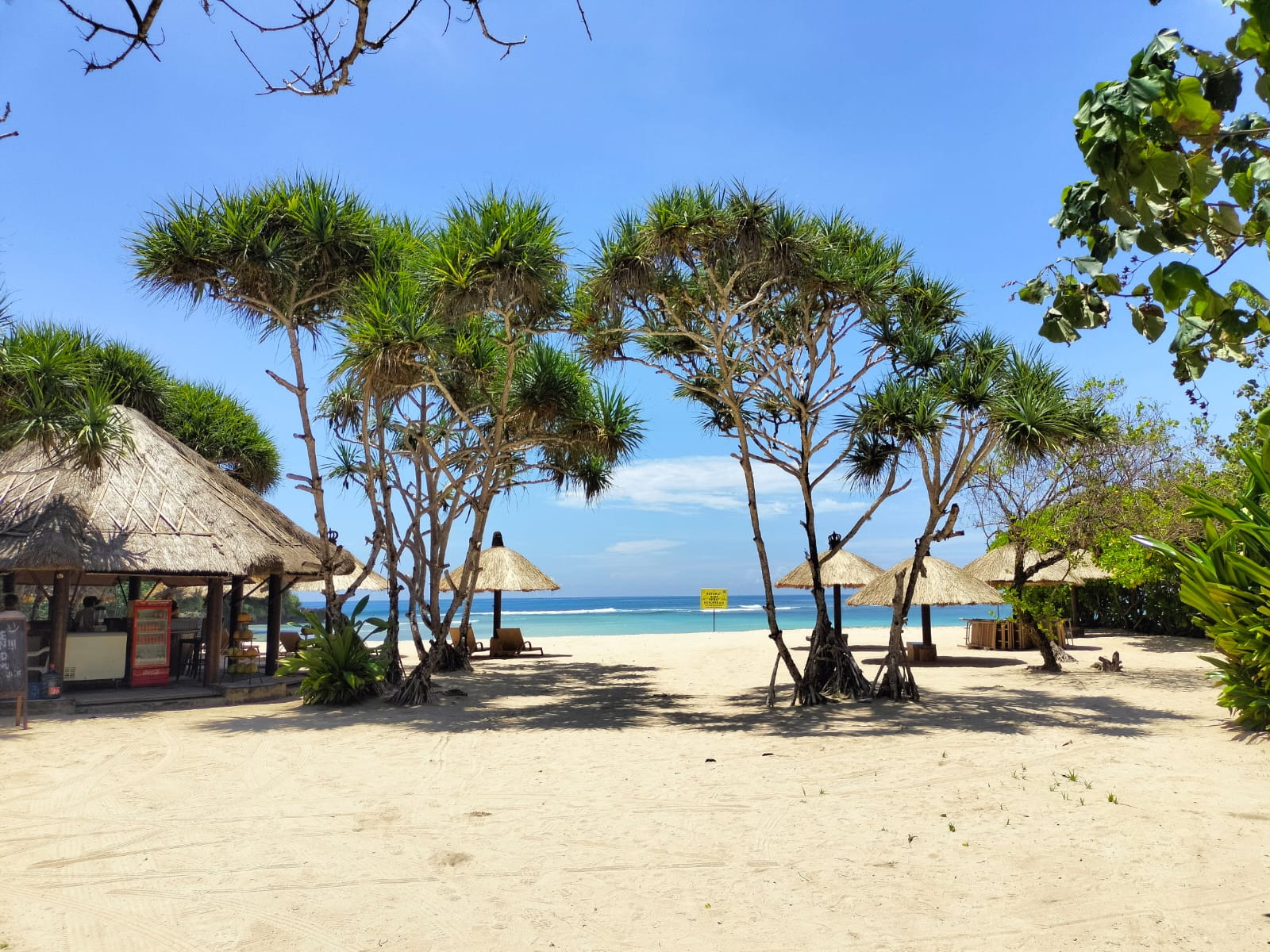
Let’s be honest: beaches are probably the reason you’re considering Nusa Dua in the first place. And good news—the sand here is some of the cleanest and softest on the island. Resorts and the tourism board invest heavily in maintaining them, so you won’t find trash washed up like in some other Bali hotspots.
Here are the main beaches worth your flip-flops:
1. Nusa Dua Beach (Pantai Mengiat)
This is the heart of the area—a long stretch of golden sand with calm, shallow waters protected by a reef. Perfect for families with kids who want to splash around safely.
Local tip: In the early morning, before the sun gets harsh, you’ll often see Balinese locals jogging or practicing yoga here. It’s the quietest and most magical time of day.
2. Geger Beach
My personal favorite. It’s technically outside the main resort zone, so it feels more laid-back. You’ll find a mix of locals, surfers, and a few beachside cafes where you can rent a lounger for the day. The water is crystal clear, and the offshore reef makes for great snorkeling.
3. Samuh Beach
Tucked away near the Bali Collection shopping complex, this is another family-friendly option. The sea is calm, and during low tide you can walk quite far into the water without it getting deep.
4. Sawangan Beach
A bit more rugged, with stronger waves. This beach is where you’ll often see camel rides (yes, actual camels—imported for tourists). Whether that’s your vibe or not, it’s definitely something you don’t see every day in Bali.
Things to Do in Nusa Dua (Besides Sunbathing)
Sure, lying on a lounger with a coconut in hand sounds like a dream, but Nusa Dua offers more than just beach naps. Here’s what kept me busy (and why I didn’t want to leave):
1. Snorkeling & Diving
Thanks to its calm reef-protected waters, Nusa Dua is a great spot for beginners to try snorkeling. Local operators can take you out by boat to nearby dive spots like Tanjung Benoa or even across to Nusa Penida for manta rays.
2. Water Sports at Tanjung Benoa
Just north of Nusa Dua, Tanjung Benoa is the island’s adrenaline playground. Jet skiing, parasailing, banana boat rides, flyboarding—you name it, they’ve got it. Personally, I stuck to parasailing, and the view from above was worth every rupiah.
3. Visit Pasifika Museum
A hidden gem. This museum showcases over 600 works of art from across Asia and the Pacific. Think paintings, sculptures, and traditional artifacts. If you need a break from the sun, it’s air-conditioned bliss.
4. Spas & Wellness
Nusa Dua is spa heaven. From luxury resort spas with oceanfront pavilions to affordable day spas, you can get massages, facials, and flower baths that make you forget what day it is. My tip: try a traditional Balinese massage with coconut oil.
5. Golf at Bali National Golf Club
If golf’s your thing, this course is world-class. Even if you’re not into the sport, it’s worth knowing—it attracts celebs and serious golfers from around the world.
6. Devdan Show at Bali Nusa Dua Theatre
This cultural performance blends dance, acrobatics, and traditional music from different Indonesian islands. It’s flashy and touristy, sure, but also a fun way to experience Indonesia’s diversity in one evening.
Eating in Nusa Dua: From Warung to Fine Dining
One thing I love about Nusa Dua is that you can eat like royalty on any budget.
- Luxury dining: Resorts like The St. Regis and The Mulia have award-winning restaurants serving everything from French haute cuisine to modern Japanese.
- Beachfront cafes: At Geger Beach, grab a plate of nasi goreng (fried rice) or grilled fish right on the sand. Nothing fancy, but the view makes it taste five times better.
- Bali Collection: This open-air shopping and dining complex is touristy, yes, but convenient if you want variety. Italian one night, Thai the next.
- Local warungs: Step outside the gates, and you’ll find cheap, authentic eats—think satay skewers, mie goreng, and fresh coconuts for under $2.
Where to Stay in Nusa Dua
Accommodation is really where Nusa Dua shines. Here’s the breakdown:
Luxury Resorts
- The St. Regis Bali Resort – If you’ve ever wanted to feel like royalty, this is the place. Butler service, private pools, beachfront villas.
- The Mulia – Massive, glamorous, Instagram-worthy infinity pools.
- Grand Hyatt Bali – A classic choice for families and business travelers alike.
Mid-Range Hotels
Not everything is five-star. There are also plenty of 3-4 star hotels within walking distance of the beaches, often with great pools and breakfast buffets.
Budget Options
While Nusa Dua leans luxury, you can still find guesthouses and Airbnb stays for budget travelers—especially if you don’t mind being a bit outside the main gates.

Getting Around Nusa Dua
Inside the complex, most things are walkable or a short shuttle ride away. But if you want to explore beyond (which I highly recommend), here are your options:
- Private driver – The easiest way to get around Bali. You can book a driver for the day (usually around $45–71 USD).
- Ride-hailing apps – Grab and Gojek work here, though sometimes resorts restrict pick-ups.
- Scooter rental – If you’re confident on two wheels, this is the cheapest and most flexible option. Just watch the traffic outside the complex.
One of the best ways to experience Bali stress-free is by using a reliable Bali car rental with driver – we highly recommend it!
Costs: Is Nusa Dua Expensive?
Yes and no. If you stick to five-star resorts and fine dining, your wallet will definitely feel it. But Nusa Dua can also be done affordably:
- Street food meals: $2–3
- Mid-range restaurants: $10–20 per person
- Luxury dining: $50+ per person
- Spa treatments: $10 at a local spa, $100+ at a resort spa
- Accommodation: $25 for budget rooms, $500+ for beachfront villas
So whether you’re a backpacker wanting one fancy night or a honeymoon couple looking for indulgence, you’ll find something.
Best Time to Visit Nusa Dua
Like the rest of Bali, Nusa Dua has two main seasons:
- Dry season (April–October) – Sunny skies, calm seas, and the perfect time for beach lounging.
- Rainy season (November–March) – Short, heavy downpours but still warm. Fewer tourists, lower prices.
Personally, I love visiting around May or September. The weather is great, but the crowds aren’t overwhelming.
Cultural Touches in Nusa Dua
One misconception is that Nusa Dua is all resorts and no “real Bali.” Not true. Within the complex, you’ll still see traditional Balinese temples, daily offerings of flowers and incense, and ceremonies on the beach.
In fact, Geger Temple sits right on the cliff above Geger Beach—a peaceful spot often overlooked by tourists. If you’re lucky, you might stumble upon a local ceremony with dancers and gamelan music.
Why I Keep Going Back to Nusa Dua
I’ll be honest—when I first visited Bali, I avoided Nusa Dua. I thought it was “too touristy” and “not authentic enough.” But after spending time in the chaos of Kuta and the hipster madness of Canggu, I started craving exactly what Nusa Dua offers: peace, comfort, and that feeling of a real vacation.
Yes, it’s polished. Yes, it’s designed for tourists. But sometimes, that’s exactly what you need. Imagine waking up to the sound of waves, spending your afternoon snorkeling with tropical fish, and then ending the day with a beachfront dinner under the stars. That’s Nusa Dua.
It’s not the Bali of Eat Pray Love, but it’s the Bali of rest, relax, and recharge. And honestly, after seeing the whole island, I think every trip to Bali deserves at least a couple of days here.
Read also: Bali Private Driver
Travel Tips for Nusa Dua
- Bring reef-safe sunscreen – The waters around Nusa Dua are home to delicate coral reefs, so using eco-friendly sunscreen helps protect marine life while keeping your skin safe. Regular sunscreens often contain chemicals that harm coral, so double-check your label before packing it.
- Respect temple dress codes – If you plan to visit Geger Temple or other Balinese temples nearby, you’ll need to wear a sarong and sash. These are often provided at the entrance, but bringing your own can save time and show extra respect for local traditions.
- Book activities in advance – Water sports at Tanjung Benoa, popular spa treatments, and cultural shows like Devdan can sell out during peak season. Making reservations ahead of time ensures you won’t be disappointed and sometimes even gets you a better deal.
- Wake up early – Sunrise in Nusa Dua is pure magic, with soft light, calm seas, and beaches that feel almost private. If you’re a photographer or just want a quiet stroll before the crowds arrive, this is the best time to enjoy it.
- Mix it up – While Nusa Dua is perfect for unwinding, it’s worth balancing your trip with more adventurous or cultural parts of Bali. A day trip to Uluwatu for the cliffside temple or to Ubud for rice terraces and art markets will give your vacation more variety.
Wrap-Up
So there you have it—Nusa Dua Bali in 2,500 words of pure wanderlust and practical advice. Whether you’re a honeymooner wanting luxury, a family needing safety and comfort, or a solo traveler looking for a quiet base, Nusa Dua has something to offer.
It may not scream “adventure” like climbing Mount Batur, or “culture” like temple-hopping in Ubud, but when it comes to picture-perfect beaches and stress-free holidays, it’s unbeatable.
If Bali is a buffet of experiences, Nusa Dua is the dessert—sweet, indulgent, and the part you’ll remember long after you leave.
Check also: Jembrana Bali
