

When people ask Where Bali located, the answer begins with understanding that Bali is a province of Indonesia, not an independent nation. This well-known island forms part of the vast Indonesian archipelago, a chain made up of more than 17,000 islands stretching across Southeast Asia. Bali belongs to the western end of the Lesser Sunda Islands, positioned between two prominent neighboring islands.
Geographically, Bali lies just east of Java and directly west of Lombok. The narrow Bali Strait separates it from Java, while the Lombok Strait divides it from Lombok. On a global scale, Bali is part of the Asian continent, specifically within the Southeast Asian region. The island sits slightly south of the Equator—around eight degrees below it—which gives Bali its consistently warm, tropical weather throughout the year.
Looking at its surrounding waters, Bali is bordered by the vast Indian Ocean to the south, creating dramatic coastal landscapes and popular surf breaks. To the north, the island faces the Bali Sea, which connects to the Flores Sea and supports rich marine biodiversity.
Bali’s position can be understood as an Indonesian island in Southeast Asia, located between Java and Lombok and surrounded by tropical seas. Its strategic placement within the Indonesian archipelago defines both its geography and its distinctive climate.
Geography: Neighbors and Surrounding Waters
When discussing Where Bali located, it is important to understand its position in relation to the islands that surround it. Bali’s closest neighbors are the Indonesian islands of Java to the west and Lombok to the east. Separating Bali from Java is the narrow Bali Strait, a relatively short stretch of water only a few kilometers across at its narrowest point. On the eastern side, the Lombok Strait divides Bali from Lombok.
This geographic positioning makes Bali the westernmost island in the Lesser Sunda Islands group. Moving further east beyond Lombok, the island chain continues through Sumbawa, Flores, Timor, and several smaller islands, forming a long arc across Indonesia’s southeastern region. Bali therefore acts as a gateway between the more densely populated island of Java and the quieter eastern islands of the Lesser Sundas.
As an island province, Bali is entirely surrounded by water, and its coastlines are defined by major seas and ocean bodies. Along the northern shore lies the Bali Sea, which forms part of the larger Flores Sea system. To the south and southwest, Bali meets the vast Indian Ocean, known for its strong waves and deep blue waters. These surrounding seas shape Bali’s environment, influencing everything from its tropical marine ecosystems to its globally recognized beach lifestyle. Warm currents and nutrient-rich waters support vibrant coral reefs and diverse marine life, making the island a popular destination for diving and snorkeling.
The straits on either side of Bali also play an important role. The Bali Strait channels water between Bali and Java, while the Lombok Strait serves as a significant marine passage between the Indian Ocean and the Pacific Ocean systems. These waterways are not only geographic markers but also vital shipping and ecological corridors.
Looking beyond Indonesia, Bali occupies a strategic position within Southeast Asia and the broader Australasian region. It is significantly closer to Australia than many travelers expect—just over 2,000 kilometers from Australia’s northern coastline. In fact, Bali lies almost directly north of Australia’s northern tip. Meanwhile, to the northwest across regional seas are Malaysia and Singapore. Farther north across open waters are nations such as Philippines and Vietnam.
Although Bali is part of Indonesia, it has no direct land borders with other countries because it is completely insular. Indonesia’s land boundaries exist on other islands, not on Bali. As a result, Bali’s most meaningful “boundaries” are its surrounding seas and the narrow straits linking it to neighboring islands rather than any international frontier.
Bali’s Place in Indonesia
When explaining Where Bali located, it is equally important to understand its political status. Bali is officially one of the provinces of Indonesia. The Province of Bali includes not only the main island but also several smaller islands situated just off its southeastern coast, such as Nusa Penida, Nusa Lembongan, and Nusa Ceningan. These offshore islands are part of the same provincial administration, although most of the population lives on the primary island.
The capital of the province is Denpasar, positioned along Bali’s southern coast. Denpasar functions as the administrative and political center, housing government offices and serving as the core of business and public services. It is also the island’s main transportation gateway, home to Ngurah Rai International Airport, which connects Bali to major domestic and international destinations. Despite its strong cultural identity and global reputation, Bali is fully integrated into Indonesia’s national governance system. It is not a sovereign country; rather, it operates within Indonesia’s constitutional and political framework.
In terms of size, Bali spans approximately 5,780 square kilometers. This makes it comparable in area to smaller U.S. states or mid-sized European regions. The island is home to more than four million residents, with population centers concentrated mainly in the southern districts. The smaller surrounding islands have far fewer inhabitants and remain less developed.
Geographically, Bali offers diverse landscapes. Two prominent volcanoes—Mount Agung and Mount Batur—rise from the central highlands, shaping both the scenery and spiritual life of the island. Fertile volcanic soil supports the famous terraced rice fields, while coastal lowlands in the south are known for beaches and tourism infrastructure. Because Bali lies close to the equator, it experiences a tropical climate with consistently warm temperatures and seasonal rainfall.
Administratively, Bali is divided into several regencies and the municipality of Denpasar. Many of these regions retain names that reflect Bali’s historical kingdoms, preserving links to its cultural heritage while functioning within modern Indonesian governance.
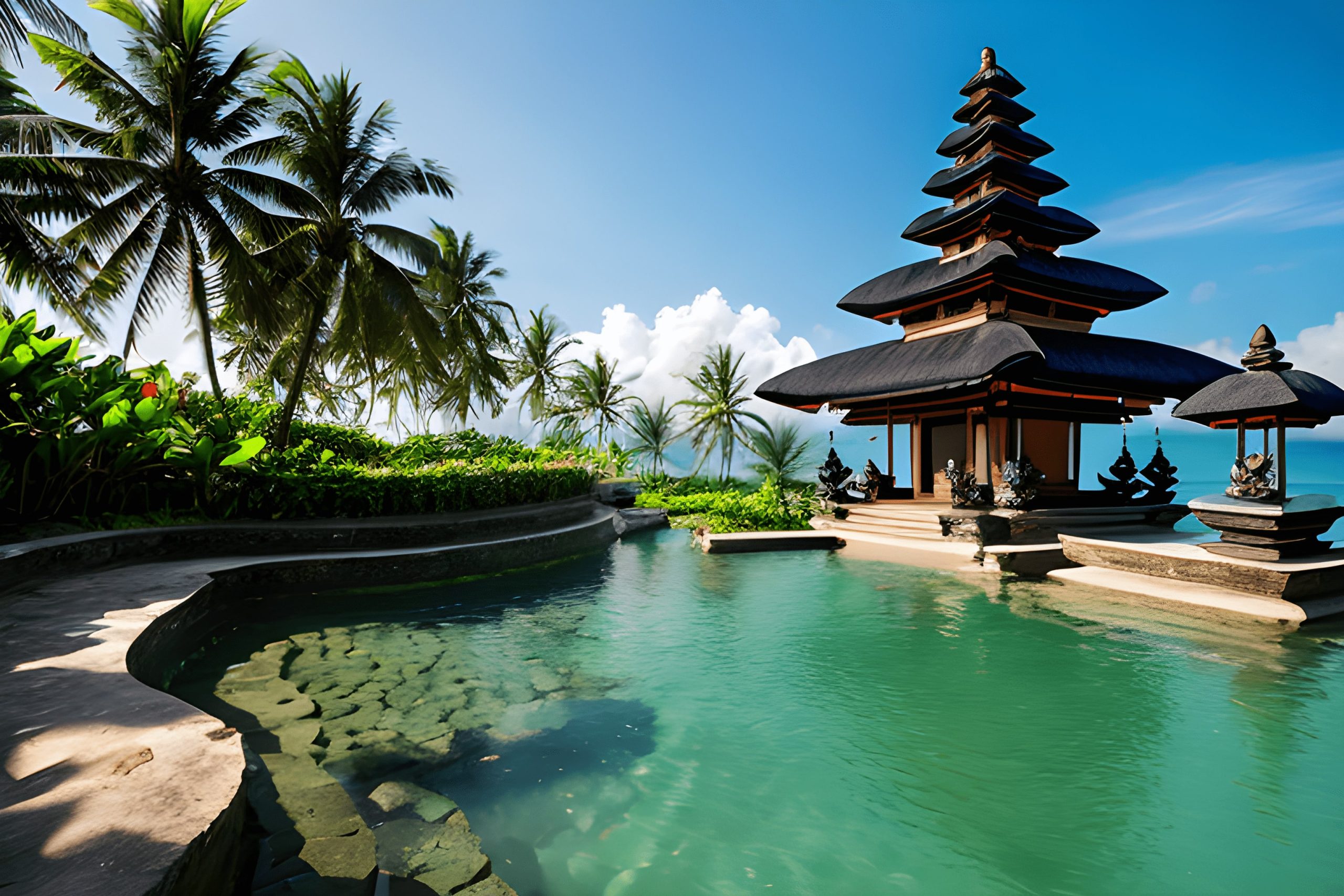
Where Bali located on the World map?
To clearly understand Where Bali located, it helps to follow a few simple steps while looking at a globe or world map.
First, identify the continent of Asia. Focus on its southeastern region, where the mainland begins to break into thousands of islands. Next, locate Indonesia, the vast archipelago that stretches between mainland Asia and Australia. Indonesia forms a long chain of islands bridging the Indian and Pacific Oceans.
Within western Indonesia, find the large and densely populated island of Java. Once you have spotted Java, move your eyes slightly to the east. Just beyond Java’s eastern tip, across a narrow stretch of water, you will see a smaller island — that island is Bali. Continuing further east, you will notice Lombok, which lies on Bali’s opposite side.
On most maps of Southeast Asia, Bali appears between Java (to the west) and Lombok (to the east), positioned roughly midway between the Asian mainland and Australia. Geographically, Bali sits about 8 degrees south of the Equator and around 115 degrees east longitude.
Bali’s natural setting is also significant. The island lies along a tectonic boundary, which explains the presence of volcanoes and mountainous terrain. Its southern coastline faces the vast Indian Ocean, while its northern shore borders the Bali Sea.
In terms of distance, Bali is approximately 1,300 kilometers east of Jakarta, about 2,000 kilometers southeast of Singapore, and roughly 2,300 kilometers north of Perth. These measurements highlight Bali’s strategic location between Asia and Australia.
To visualize Bali’s location without a map, imagine this simple list:
- Continent: Asia
- Subregion: Southeast Asia
- Country: Indonesia
- Island Group: Lesser Sunda Islands
- Nearby Island to the West: Java
- Nearby Island to the East: Lombok
- Ocean to the South: Indian Ocean
- Sea to the North: Bali Sea
Check also: Self-Driving Versus Hiring a Driver in Bali
Bali Language: What Do People Speak in Bali?
Understanding the Bali language situation is helpful for anyone planning a visit.
The main languages spoken in Bali are:
- Balinese – the traditional local language
- Indonesian (Bahasa Indonesia) – the national language
- English – widely spoken in tourist areas
Balinese is used primarily in religious ceremonies, traditional arts, and daily conversations among locals. Indonesian is taught in schools and used in official settings, making it a common language across the island.
In popular travel destinations like Ubud, Seminyak, Canggu, and Kuta, English is widely spoken, especially in hotels, restaurants, and tour services. This makes Bali an easy destination for international travelers.
Popular Regions in Bali & What They’re Known For
Bali is one island, but it feels like many worlds woven together. Each region has its own rhythm, atmosphere, and type of traveler it tends to attract. Understanding these differences can help you choose the best places to stay — whether you’re seeking beaches, temples, yoga retreats, luxury villas, surf breaks, or quiet countryside views. Below are the most well-known regions and what makes each one special, based on the way travelers experience them — not just how they look in photos.
Ubud — Culture, Nature, and Inner Calm
Ubud sits in Bali’s central highlands, surrounded by rice terraces, tropical forests, and rivers. If your ideal Bali day includes slow mornings, warm tea, traditional dance performances, or yoga classes, Ubud is where you’ll want to be.
Things Ubud is known for:
- Lush rice terraces (like Tegalalang)
- Sacred temples and shrines
- Yoga studios and wellness retreats
- Handmade art markets and craft workshops
- Forest sanctuaries and river valley views
- ATV ride
- White water rafting
Ubud is where many travelers fall in love with Bali’s spirituality and artistic heritage. Days here feel gentle and grounding, and the nights are calm and star-filled.

Seminyak & Canggu — Beaches, Cafés, and Social Life
If your idea of Bali includes sunset cocktails, beach clubs, stylish boutiques, and surfing with new friends, Seminyak and Canggu will feel like home.
What these areas are known for:
- Long sandy beaches with great beginner-friendly surf waves
- Trendy restaurants and creative café culture
- Boutique fashion shops and local designer studios
- Beach clubs that blend music, sunset, and ocean views
Seminyak leans more upscale and polished, while Canggu is youthful, creative, and full of friendly coworking spaces where travelers work and socialize.
Uluwatu — Cliffs, Surf, and Sunset Drama
Uluwatu rests on Bali’s southern limestone peninsula, where dramatic cliffs drop into deep blue ocean. The vibe here is slower, saltier, and focused on natural beauty.
What Uluwatu offers:
- Stunning cliffside views with ocean panoramas
- Some of Bali’s most legendary surf breaks
- Quiet beaches tucked below limestone cliffs
- The famous Uluwatu Temple and its sunset Kecak fire dance
Uluwatu is for travelers who love ocean landscapes that make you pause and breathe a little deeper.

Sanur & Nusa Dua — Calm Beaches and Easy Comfort
If you’re traveling with family, or simply prefer quiet beaches and easy walking paths, Sanur and Nusa Dua offer relaxation without the crowds.
Highlights:
- Soft sandy beaches with gentle waves
- Sunrise-facing ocean views
- Resorts, spas, and family-friendly amenities
- Peaceful boardwalks perfect for morning strolls
These areas offer space to slow down — ideal for travelers seeking rest and warmth without needing to plan every detail.
Check also: Bali private driver
Is Bali Safe for Travelers?
A very important question for visitors is: is Bali safe?
In general, Bali is considered a safe travel destination for tourists. Millions of visitors arrive each year, and the island is well-accustomed to welcoming international guests.
That said, like any travel destination, safety depends on awareness and common sense. Here are key points to consider:
Personal Safety
Violent crime against tourists is rare. However, petty theft such as pickpocketing can occur in crowded areas.
Health and Hygiene
Food safety is generally good in reputable restaurants, but travelers should drink bottled water and be cautious with street food if they have sensitive stomachs.
Natural Considerations
Bali has active volcanoes and occasional earthquakes, but these are closely monitored by authorities. Flooding can occur during the rainy season.
Transportation Safety
Scooter accidents are common among inexperienced riders. Wearing helmets and driving cautiously is essential.
For travelers who follow local laws and basic safety precautions, Bali is a welcoming and secure destination.
Where to Stay in Bali: Choosing the Right Area
Deciding where to stay in Bali is one of the most important parts of planning your trip, as each region of the island offers a completely different atmosphere and experience. Bali may be relatively small, but its diversity means that choosing the right location can greatly influence how you enjoy your time on the island.
- Ubud – If you are interested in culture, spirituality, and nature, Ubud is often the top choice. Located inland, Ubud is surrounded by lush jungles, rice terraces, and traditional villages. This area is known for yoga retreats, wellness centers, art galleries, and peaceful surroundings. It is ideal for travelers seeking relaxation, creativity, and a deeper connection to Balinese culture rather than beach-focused activities.
- Seminyak – For those who prefer coastal living with modern comforts, Seminyak is a popular option. Seminyak offers stylish beach clubs, upscale restaurants, boutique shopping, and luxury resorts. The area attracts couples, food lovers, and travelers looking for a balance between relaxation and nightlife without the chaos of busier districts.
- Canggu has become a favorite among digital nomads, surfers, and younger travelers. Known for its laid-back vibe, Canggu features trendy cafés, coworking spaces, and black-sand beaches with excellent surf conditions. It’s a great choice for long stays and social travelers who enjoy a casual, creative environment.
- Kuta – If convenience and nightlife are priorities, Kuta remains a practical option. Close to the airport, Kuta is lively and budget-friendly, making it suitable for short stays or first-time visitors.
- Nusa Dua – For a more secluded and luxurious experience, Nusa Dua offers peaceful beaches and high-end resorts, perfect for families and honeymooners. With so many distinct areas, Bali truly has accommodation options to suit every travel style and budget.
Why Bali’s Location Makes It So Special
Bali’s unique blend of geography, culture, and accessibility is no accident. Its location between Asia and Australia has exposed it to centuries of cultural exchange while allowing it to preserve strong local traditions.
Being part of Indonesia yet culturally distinct, Bali has carved out a global identity that few islands can match. Whether you are drawn by its beaches, spirituality, food, or people, Bali’s location plays a central role in its magic.

3 Replies to “Where Bali Located: Map, Region & Travel Tips”