
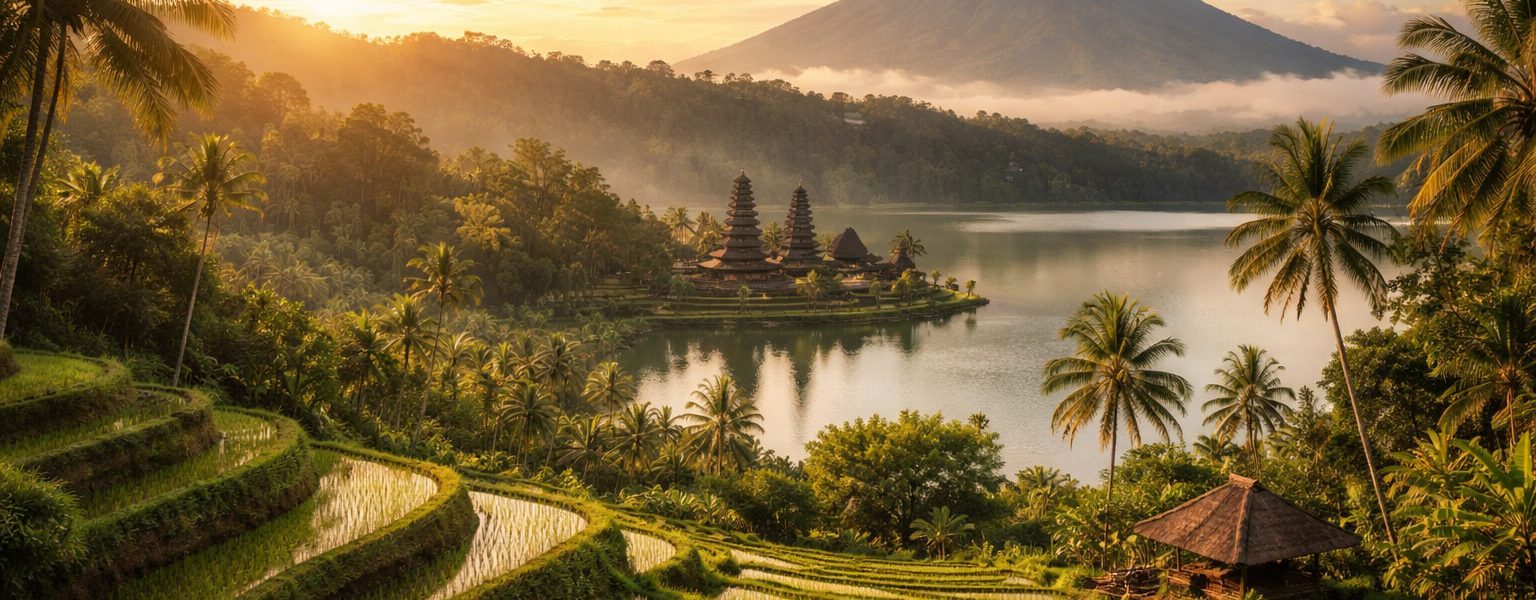
Bali is one of those places that captures your heart before you even land. You hear about it all the time—on Instagram, in travel blogs, or from friends who’ve been there. The beaches, the rice terraces, the temples, and the sunsets; Bali seems like the perfect place for a vacation. But let me tell you, there are a few things I wish I had known before packing my bags and heading to this tropical paradise.
When I first arrived, it was all sunshine and rainbows, but the reality is, there’s a lot more to Bali than meets the eye. From navigating the island’s chaotic traffic to understanding the best times to visit certain spots, it took me a while to figure out the ins and outs of Bali life. In this article, I’m sharing some of the things I wish I knew before going to Bali, so you can skip the trial and error and make the most out of your trip.
Bali’s Traffic is a Whole Other World
First things first—Bali’s traffic is wild. Imagine tiny roads packed with motorcycles, cars, and tuk-tuks, all weaving in and out like it’s some sort of race. It’s chaotic, but somehow it works. If you’re thinking of renting a scooter (which many people do), be ready for a bit of a challenge. The traffic isn’t just bad—it’s different. Scooters don’t always follow traffic rules, and it can get a little nerve-wracking if you’re not used to it.
What I didn’t realize is that the traffic can be overwhelming, especially during rush hours or around popular tourist destinations. It can take you over an hour to go just a few kilometers, and that can really cut into your precious vacation time. I wish I had spent more time researching transportation options and avoided the stress by booking reliable rides through apps like Grab or Gojek.
The Rainy Season Can Be a Buzzkill
I’ve heard so many people say how amazing Bali is, and it is. But, there’s one thing I didn’t expect: the rainy season. If you go during the wet season (typically from October to April), you might end up with more rain than you bargained for. Now, this doesn’t mean your trip will be ruined, but you should be prepared for some sudden downpours. You could be sipping a cold coconut on the beach one minute and running for cover the next.
If you’re planning to visit during the rainy season, pack a good rain jacket and don’t forget waterproof shoes. Trust me, it’ll save you a lot of hassle when the skies decide to open up. On the plus side, Bali is less crowded during this time, so you’ll get to enjoy the beauty without the crowds, and the lush green landscapes are even more stunning. Just don’t expect sunny skies every day.
The Best Time to Visit Bali Isn’t Always When You Think
It’s tempting to think that the best time to visit Bali is during peak tourist season when the weather is perfect and the beaches are sun-kissed. However, the island can get pretty packed during these months (July to September). You’ll find that most of the popular spots are overcrowded, and prices for accommodation, tours, and activities are at their highest.
What I found out the hard way is that visiting Bali in the off-season (around April to June or September) can actually give you a better experience. Fewer tourists means you’ll get to enjoy the island’s natural beauty without the crowds. You’ll have a better chance of catching those stunning sunsets at less crowded spots and even get better deals on accommodations.
Cash is King (But Be Ready for Card Issues)
In Bali, cash is king. While most restaurants, shops, and hotels in touristy areas do accept credit cards, there are plenty of smaller businesses and remote spots where cash is your only option. It’s always a good idea to keep enough local currency (Indonesian Rupiah) on hand to avoid any inconvenience. ATMs are everywhere, but if you’re going off the beaten path, having cash on hand is just easier.
Also, something I wish I had known earlier is that international cards (like MasterCard or Visa) can sometimes be problematic, especially in more rural areas. I had a few issues where my card didn’t work, or the ATMs had ridiculously high withdrawal fees. I would suggest bringing a little extra cash for those areas, or at least having a backup card that you know will work.
Bali is More Than Just Beaches
Sure, Bali is known for its stunning beaches, but there’s so much more to explore beyond the coastline. The rice terraces in Ubud are absolutely magical, and you can’t miss a visit to the sacred Monkey Forest. Bali is also home to numerous temples, each with its own unique charm. The most famous ones, like Tanah Lot and Uluwatu, are beautiful, but there are also hidden gems like the Tirta Empul temple, where you can purify yourself in holy water.
Don’t make the mistake of only sticking to the beaches. You might even fall in love with the inland areas more than the coastal resorts. The hiking trails, waterfalls, and cultural experiences are just as memorable.
Be Prepared for Bali’s Tourist Prices
Let’s be real, Bali isn’t as cheap as it used to be. While it’s still affordable compared to many Western destinations, prices have been creeping up, especially in popular tourist spots. Restaurants in places like Seminyak or Ubud can cost as much as a meal in a mid-range restaurant back home, and the more luxurious resorts can have hefty price tags.
That being said, there are still plenty of budget-friendly options if you know where to look. Street food is delicious, cheap, and totally safe to eat. In fact, some of the best meals I had in Bali came from little warungs (local eateries) where I paid just a few bucks for an amazing nasi goreng (fried rice).
Bali’s Spiritual Vibe is Real
One thing I didn’t fully understand before going to Bali was how deeply spiritual the island is. It’s not just about the stunning temples, but the atmosphere itself. Everywhere you go, you can feel a sense of calm and connection with the island’s spiritual energy. Many locals practice Balinese Hinduism, and there are daily offerings and rituals that take place throughout the island.
What I wish I had known is that Bali has a certain energy that really encourages reflection and peace. It’s a great place for spiritual growth, and you can take part in activities like yoga and meditation. Some of the wellness retreats in Ubud will guide you through mindful practices that leave you feeling completely transformed.
Respect the Local Culture and Traditions
Bali is a place rich in culture and tradition. I made the mistake of not understanding the depth of respect for the culture before I arrived. The locals have a strong connection to their religion, and you’ll often see offerings placed on the streets, in temples, and on doorsteps. It’s important to respect these customs, and that means dressing modestly when visiting temples and being mindful of the ceremonies that may be taking place around you.
Bali’s culture is one of the things that makes the island so unique, and I found that when I took the time to learn more about it, the experience became more meaningful.
Don’t Miss Out on the Food Scene
Bali’s food scene is so much more than just Babi Guling (suckling pig) or Nasi Goreng (fried rice). There’s a whole world of flavors to discover, from fresh seafood to vegan-friendly options. The street food is some of the best you’ll find anywhere, and there are tons of local dishes that you might not have heard of before.
I wish I had been more adventurous with my food choices earlier. Bali has become a haven for food lovers, with influences from all over the world, and the variety of dishes is mind-blowing. From traditional Balinese dishes to fusion food, you’ll never run out of new things to try.
Health and Safety: Bali’s Tropical Challenges
One thing that caught me by surprise was the health and safety challenges that can arise while visiting Bali. While the island is generally safe for tourists, there are a few things you need to be aware of. First and foremost, the tropical climate can bring along some unpleasant surprises, especially if you’re not used to the heat and humidity. I quickly learned the importance of staying hydrated and wearing sunscreen—sunburns can sneak up on you fast.
But beyond the usual sun protection, there are some health issues to consider. Bali is a tropical destination, which means that mosquitoes are pretty much everywhere. It’s important to pack mosquito repellent, especially if you plan to explore the more rural areas or walk around at night. I didn’t take the mosquito situation seriously at first, and I ended up with a few bites that led to a lot of scratching. Another thing I wish I’d known earlier: Bali has a risk of certain diseases like dengue fever, so taking extra precautions like wearing long sleeves during mosquito-heavy hours and staying in air-conditioned rooms can help prevent unpleasant health issues.
Another issue to be aware of is Bali Belly. Travelers often experience stomach issues due to the change in diet and water quality. While most tourists will opt for bottled water, I had the unfortunate experience of forgetting to be cautious one day and ended up feeling pretty miserable. To avoid this, stick to bottled water, and be cautious about street food unless you’re certain about where it’s coming from.
Before finalizing your itinerary, check out How Much Does It Cost to Go to Bali so you can plan your expenses more confidently.
If you’re traveling during the rainy season, be prepared for slippery surfaces. Bali’s streets can get quite slick when it rains, and some of the paths in more rural areas are unpaved or uneven, which can make it tricky to navigate. I slipped a couple of times, so I’d recommend packing sturdy shoes with good grip. Trust me, you’ll be thankful when you’re walking through the wet jungle or across those rocky temple steps.
Bali’s Party Scene – Not Just About Relaxation
Now, let’s talk about the party scene, because Bali is not just about serene beaches and tranquil yoga retreats. If you’re into nightlife, Bali definitely has you covered. I had no idea just how vibrant the party scene was until I arrived. Seminyak and Kuta are packed with beach clubs, bars, and clubs where the energy is nonstop. Even during weekdays, you’ll find beach parties or DJ sets happening until the early hours of the morning. Bali is the perfect place if you’re looking for a blend of both relaxation and excitement.
However, something I didn’t expect was how expensive the nightlife could be in the more popular areas. Club entry fees, fancy cocktails, and bottle service can add up quickly. But if you know where to go, you can find hidden gems that are more affordable. I stumbled upon some excellent places in Canggu, where the vibe was laid-back, and the drinks were a fraction of the cost you’d pay in the major tourist areas.
That being said, Bali offers a little bit of everything when it comes to nightlife. Whether you’re after fancy rooftop bars, beachside lounges, or underground clubs, there’s something for every party lover. If you’re not into the whole party scene, don’t worry—Bali’s laid-back atmosphere in areas like Ubud offers plenty of chill spots where you can enjoy a peaceful evening with a cocktail in hand.
Bali’s Diverse Cuisine – From Temples to Tacos
Food is a huge part of the Bali experience, and I really wish I had gone into it with a more open mind. Bali isn’t just about traditional Indonesian dishes. The food scene here is diverse, and you’ll find flavors from all over the world. On my first day, I made the mistake of sticking to familiar dishes like Nasi Goreng and Mie Goreng (which are delicious, by the way), but as the trip went on, I discovered some incredible hidden spots for a unique culinary experience.
Some of the best food I had in Bali wasn’t in a restaurant—it was at small warungs (local eateries) where you can grab a fresh coconut or a plate of satay for just a few bucks. The local flavors are so fresh, and you can taste the love that goes into each dish. And don’t even get me started on the seafood! The island’s coastal areas offer some of the best seafood I’ve ever had, with fresh catches that go straight from the ocean to your plate.
But if you’re into something a bit more international, Bali’s food scene has you covered. From fresh sushi and tacos in Seminyak to vegan-friendly cafés in Ubud, you’ll find just about every cuisine imaginable. It’s a paradise for foodies, and I highly recommend taking the time to try everything—from street food to fancy restaurants.
Bali is More Affordable Than You Think, If You Know Where to Go
Bali has this reputation for being a budget-friendly destination, and while that’s true in many ways, I’ve found that it can get expensive, especially in the tourist-heavy areas. Hotels in places like Seminyak and Ubud can be pricey, especially if you’re booking last-minute or opting for high-end resorts. But what I wish I had realized earlier is that there are so many affordable and amazing options if you’re willing to venture just a little further out.
The best deals on accommodation are often found in less crowded areas like Canggu or Amed. These places have a similar vibe to the more popular areas, but without the inflated prices. If you’re willing to spend a little more time researching and planning your trip, you can get incredible value for your money. This is especially true when it comes to activities—like hiking Mount Batur for sunrise or visiting the local markets—many of them are either free or incredibly affordable.
And let’s not forget the spa scene in Bali. If you love a good spa day, you’ll be in heaven here. Traditional Balinese massages and treatments are often a fraction of the price you’d pay back home. So, don’t shy away from indulging in some self-care while you’re on the island.
Bali’s a place of contrasts—adventure and relaxation, culture and modernity, serenity and chaos. It’s not always as easy as it looks in photos, but once you get to know the island’s rhythms, it’s one of the most rewarding destinations you’ll ever visit. From navigating the traffic to savoring every bite of delicious food, there are plenty of lessons I’ve learned on my journey. Now that you’re prepared, I hope your Bali experience is just as unforgettable—and maybe a little less stressful—than mine was.
