
If you search for unique things to do in bali, you’ll see the same lists pop up again and again. Beaches. Temples. Rice terraces. All nice, no argument there. But Bali has layers, and most people barely scratch the surface. After years of helping travelers plan trips here, and after spending long stretches on the island myself, I’ve seen how different Bali feels once you slow down and step away from the postcard version.
This isn’t about racing around or ticking boxes. It’s about moments that stick with you. The kind where you sit there later thinking, yeah, that was something else. I’ll walk you through experiences that feel personal, a little unexpected, and very Bali, without sounding like a brochure. Some of these surprised me the first time too.
Living the Subak Life: Joining a Real Rice Farming Day With Local Families
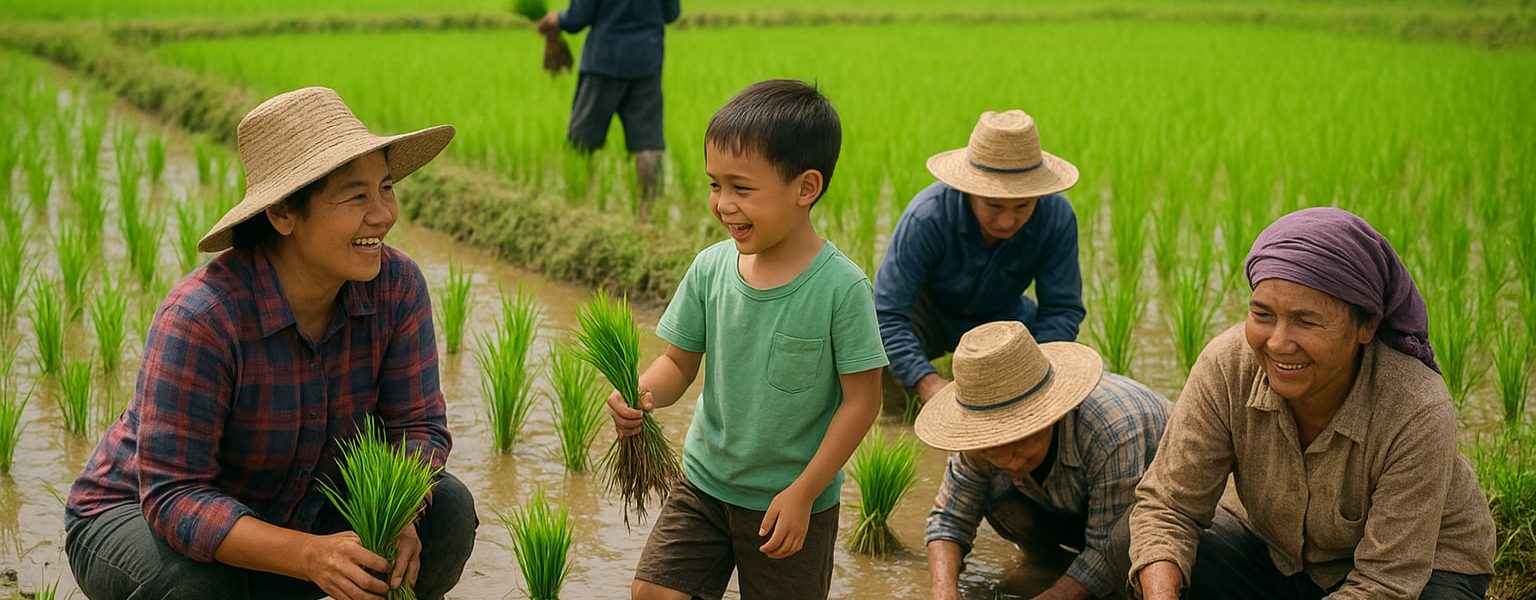
Most visitors take photos of rice fields and move on. That’s fine. But being inside the fields is a totally different story. One of the most meaningful unique things to do in Bali is spending a day with farmers who still follow the subak irrigation system. This system isn’t some tourist invention. It’s been running for over a thousand years and links farming, community, and belief.
You usually start early, like sunrise early. There’s mud. There’s water up to your calves. You’ll be handed a straw hat and shown how rice seedlings are planted by hand. It looks simple until you try it. Your back complains fast. Farmers laugh kindly and keep going. No rush, no drama.
What hit me was how calm everything felt. No machines. Just water flowing through channels, birds hopping nearby, and people chatting while working. Lunch is often shared under a small shelter near the fields. Rice, vegetables, maybe tempeh, all cooked that morning. It tastes better when you’re starving and covered in mud, trust me.
According to the Food and Agriculture Organization of the United Nations, Bali’s subak system is recognized as a sustainable agricultural model because it balances water use, crop yield, and social cooperation. That balance is something you feel while standing there, not just read about.
This kind of day teaches patience. You learn why ceremonies matter to farmers. You see how land is respected, not owned in a loud way. It’s slow, physical, and grounding. By the time you leave, the rice fields don’t look like scenery anymore. They look like someone’s entire life.
Traditional Balinese Home Cooking With a Village Mother Who Doesn’t Speak English
Cooking classes are everywhere, but this is different. No polished kitchen. No printed recipes. One of the most real unique things to do in Bali is cooking inside a family compound with a local woman who learned everything from her own mother.
You’re picked up mid-morning and taken to a local market first. It’s loud, busy, and smells strong. You’ll point, smile, and let your host choose ingredients. Fresh turmeric roots, shallots, coconut, chilies. Nothing measured. It’s all by feel.
Back at the house, cooking happens outdoors. Chickens wander around. A kid might be doing homework nearby. Instructions come through gestures, laughter, and broken phrases. You grind spices with a stone mortar until your arms burn a bit. Firewood crackles under clay stoves.
What surprised me was how intuitive it all felt. No timers. No stress. Food cooks when it’s ready. You taste constantly. Too spicy? Add coconut. Too salty? Add palm sugar. Lunch becomes a long, relaxed meal eaten on the floor.
You don’t just learn recipes. You learn how food fits into daily life here. Offerings are prepared first. Guests eat after elders. Leftovers get reused later. Nothing wasted.
Silent Sunrise at a Temple That Isn’t on Anyone’s List
Everyone knows the big temples. They’re impressive, yes. But one of the quietest unique things to do in Bali is visiting a small village temple at sunrise, with permission from locals, when no ceremonies are happening.
This isn’t about photos. You wear a sarong, sit quietly, and just observe. Roosters crow. Incense smoke drifts slowly. Old men sweep fallen leaves from stone steps. A woman might arrive with a small basket of flowers and rice.
There’s no explanation given. You’re not guided through meaning. And that’s kind of the point. You’re allowed to be there, quietly, as life unfolds normally.
I remember sitting on cool stone, watching light creep across carved walls. It felt peaceful but also very ordinary. That mix is rare. Spiritual without performance.
You leave feeling calmer, not enlightened or anything dramatic. Just steadier. It’s a reminder that belief here isn’t loud. It’s woven into mornings, into chores, into habits passed down quietly.
This sort of experience depends on respect. Ask first. Dress properly. Sit where you’re shown. And don’t turn it into content. Some moments are better kept to yourself.
Learning Wood Carving From a Third-Generation Artisan in a Backyard Workshop
Bali is famous for crafts, but watching someone carve wood all day hits different when it’s not a showroom. One of the more hands-on unique things to do in Bali is spending time with a carver who learned the skill as a child and now teaches it the same way.
Workshops are often behind family homes. You’ll smell sawdust before you see anything. Tools are simple. Chisels worn smooth from decades of use. The artisan explains designs through stories, not diagrams.
You try carving. It’s harder than it looks. Your lines go crooked. The carver gently corrects your grip. Laughs when you mess up. There’s no rush to finish anything. Time stretches.
You hear about how patterns relate to myths, animals, protection. How certain designs belong only on temples or gates. How modern demand has changed the work, sometimes not for the better.
By afternoon, your hands ache. You’ve carved something rough but meaningful. It won’t be perfect, but that’s fine. The value is in the effort and the shared time.
Leaving with a piece you made yourself feels different than buying one. You know what went into it. You respect the skill more deeply. And every time you see wood carvings later on the island, you’ll look closer.
Night Fishing With Locals on a Small Wooden Boat
This one surprised me. No fancy gear. No promises of big catches. Just a quiet boat, a few locals, and the dark ocean. Night fishing along Bali’s coast is one of those unique things to do in Bali that feels almost forgotten.
You head out just after sunset. The boat rocks gently. Stars come out fast. Someone hums softly while setting lines. There’s conversation, but also long stretches of silence.
Fishing here isn’t aggressive. It’s patient. You wait. You watch the water. Sometimes nothing bites for a while. That’s okay. When something does, there’s excitement, quick movement, then calm again.
They’ll cook part of the catch right there on the beach later. Simple seasoning. Fire on sand. You eat with your hands, still salty from sea spray.
What stays with you is the rhythm. The trust in timing. No force. Just participation. You feel small, in a good way.
Spending a Day at a Balinese Cremation Preparation, Not the Ceremony
Cremations get attention, but the preparation days are where daily life shows itself. This might sound unusual, but being invited to help prepare offerings or structures is one of the more eye-opening unique things to do in Bali.
It’s not sad in the way many expect. There’s work, chatter, food, kids running around. You help weave palm leaves, carry bamboo, or prepare flowers. People explain gently what things mean.
Death here isn’t hidden. It’s handled together. With planning, patience, and care. Watching this changes how you think about loss, community, and time.
You don’t attend unless invited. And you don’t take photos unless clearly allowed. Presence matters more than documentation.
This experience stays with people long after they leave the island. It’s quiet, respectful, and deeply human.
Salt Farming the Old Way Along the East Coast
In places like Amed, salt is still made by hand. One of the more physical unique things to do in Bali is spending time with salt farmers who work the shoreline daily.
They collect seawater, spread it on black sand, let the sun do its job, then rinse and dry it again. It’s slow. Hot. Repetitive. And somehow calming.
You’ll taste fresh salt, still warm from the sun. It’s clean and sharp. Nothing like packaged stuff.
This work depends on weather, patience, and muscle. Seeing it firsthand builds respect fast. You leave salty, tired, and grateful.
Walking With a Local Herbalist and Learning What Grows Behind the Scenes
One of the quieter unique things to do in Bali is spending a morning with a local herbalist, usually an older woman or man who knows plants the way most of us know phone numbers. This doesn’t happen in a neat garden. You walk along paths behind villages, through edges of fields, near rivers, sometimes right past houses where people barely notice what’s growing nearby anymore.
You’ll stop a lot. A leaf gets picked and rubbed between fingers. You’re told what it’s used for. Stomach trouble. Skin issues. Fatigue. Some plants are boiled. Some are crushed. Some just get chewed raw. It’s all very practical. No mystery tone, no sales pitch.
What surprised me was how normal this knowledge feels to them. Kids learn it early. It’s part of daily care. Pharmacies exist here, of course, but these remedies are still used first in many homes. You taste bitter teas. Some are rough, not gonna lie. Others are mild and earthy.
There’s also talk about balance. Hot foods. Cooling plants. Rest. Movement. Nothing extreme. Just paying attention to the body. You walk away seeing weeds differently. They stop being background clutter and start looking useful.
This kind of morning changes how you walk around the island afterward. You spot leaves. Roots. Trees you passed before without a second look. Bali becomes more layered, more alive.
Read also our post about Where Did Bali’s Unique Culture Come From?
Joining a Village Rehearsal Night, Not a Show
Most visitors see dance performances meant for crowds. They’re impressive, polished, loud. But one of the more personal unique things to do in Bali is sitting in on a village rehearsal night.
These usually happen after dark. You’ll hear music before you see anything. Metal instruments ringing out in uneven rhythms. Kids running around. Someone correcting footwork gently. Someone else joking.
There’s no stage. No costumes yet. Just practice. People repeat sections over and over. Stop. Laugh. Try again. Elders watch quietly and step in when needed.
What hits you is how shared this is. Nobody is performing for attention. They’re keeping something alive together. Mistakes are fine. Learning takes time.
You sit on the side, sipping tea, trying not to be in the way. Eventually someone might ask where you’re from. Conversation stays light. Then rehearsal continues.
You leave feeling like you saw something real, not polished for outsiders. It’s messy, warm, and honest.
Early Morning Fish Market Chaos Before the Island Wakes Up
If you’re up before dawn, head to a local fish market near the coast. This is one of those unique things to do in Bali that smells intense but teaches a lot fast.
Boats come in as the sky starts to change color. Fish get unloaded quickly. Shouting, bargaining, laughter. Hands move fast. Ice cracks. Scales fly. It’s loud and busy and very alive.
You’ll see fish you’ve never heard of. Sizes vary wildly. Some still twitching. Buyers know exactly what they want. No wasted movement.
Stand back and watch. Don’t block paths. Don’t point cameras in faces without asking. Respect goes a long way here.
After an hour, the place empties out. Fish head to kitchens. Vendors clean up. The day moves on. And you realize most visitors are still asleep while all this happens.
Staying in a Compound Instead of a Hotel for a Few Nights
Hotels are comfortable, sure. But staying inside a family compound, even briefly, is one of the more eye-opening unique things to do in Bali.
You wake up to roosters, scooters, morning offerings being placed. You see daily routines up close. Cooking. Cleaning. Small ceremonies. Life unfolding without fuss.
Privacy exists, but you’re aware you’re a guest in someone’s space. That awareness changes how you move. You slow down. You pay attention.
Conversations happen naturally. Over coffee. Over dinner. No schedule. You learn small things that don’t show up in brochures. Like why gates face certain directions. Why some days feel quieter than others.
It’s not luxury. It’s comfort through connection. And for many travelers, this ends up being the part they talk about most later on.
Bali shows itself differently when you stop chasing big moments and start noticing small ones. Those quieter experiences tend to stick around longer than any photo ever could.
